Study abroad program · Consulting · Fall 2025
Global Business Experience: South Africa
A five-person MBA team evaluating international markets for a South Africa-based construction technology company, with the U.S. as the long-term goal.
- Client
- A South Africa-based construction technology company
- Team
- Five MBA students; I was team leader
- Timeline
- August 2025 to January 2026
- Focus
- Market entry strategy and financial modeling
- My participation
- Remote, across time zones
The engagement
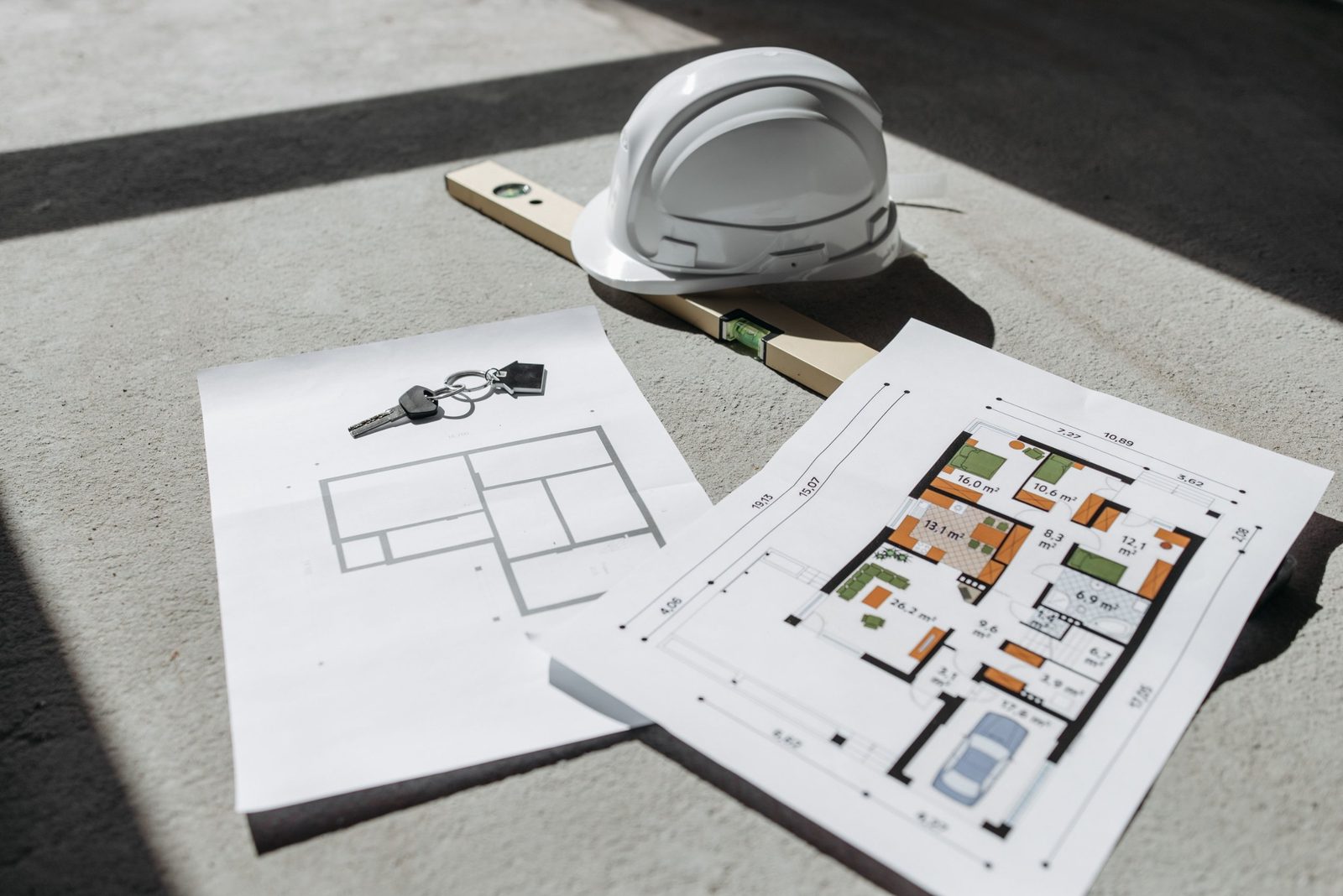
This was one of my two Global Business Experience engagements at the University of Oklahoma, alongside Portugal. The program pairs a team of MBA students with a real international company for a semester of consulting work, followed by an in-person presentation abroad in January. Our client was a South Africa-based construction technology company. Its software builds 3D models of building schematics and automatically generates a bill of materials that is sent to local hardware stores, so customers can buy the materials a project needs.
The company was successful but was operating on debt, and it wanted to reach a larger market to increase revenue. Our task was to identify and evaluate international markets, recommend how and in what order to enter them, and build a financial model, with the U.S. as the long-term goal.
My role
The professor assigned me to this engagement and named me team leader because of my construction experience. I led the team’s regular meetings with the client, owned the financial model, and set the structure of the final deck. The team met with the client every other week for the full semester.
I did not travel with the cohort. I contributed remotely while my teammates delivered the final presentation on site in January. I still built the slides and rehearsed the presentation with the team beforehand.
Working across time zones shaped how we operated. The only window that worked for both sides was early morning in Oklahoma, which was late afternoon for the client, so that became our standing meeting time. Holiday blackout periods tightened the calendar further, and the team organized around them.
How we worked
We narrowed the field of possible countries in stages, using a mix of approaches rather than a single score:
Market growth. We compared the size and growth of construction activity across a broad list of countries, normalized so that small, fast-growing markets and large, steady ones could be compared fairly.
Ease of entry. At the client’s request, we scored a shortlist on regulatory openness, openness to foreign investment, infrastructure readiness and control of corruption, which narrowed the list further.
Partners and competitors. We mapped the competing and overlapping tools, mostly estimating and take-off software. Each covers part of the chain, but the client’s product connects a 3D model to a bill of materials, supplier pricing and the purchase itself. That end-to-end chain was its clearest point of difference, and it shaped the partners we considered.
The financial model projected the company’s results and tested upside and downside scenarios based on a better or worse debt position. The deliverables were the model and a slide deck, which I structured.
Our recommendation
We recommended that the company enter a few smaller European markets first, where the cost of entry is lower and it could prove the model and build references, and then pursue partnerships with large U.S. hardware retailers to reach scale. Our advice also covered the company’s debt position. The hardest part of the engagement was telling a successful company that it needed to reduce its debt. The upside and downside scenarios gave us a concrete way to show what each debt posture would mean for the company.
The outcome
The client responded positively. The engagement ended before implementation, so I cannot speak to the final outcome.
What I took away
This was my first large group consulting project with several stakeholders and contributors. I went in thinking like the solo consultant I had been at Gordian, and I learned quickly that a team needs a more collaborative and delegative approach. That lesson shaped how I ran the engagements that followed, including my healthcare technology engagement. The project also taught me that business is not limited to your own time zone: you stretch your schedule to meet the people you serve.